
Email filters are effective against bulk threats but leave your team vulnerable to targeted attacks that look legitimate.
Password managers cut your breach risk dramatically by making the single attack that compromises most accounts nearly impossible to pull off.

Employee mistakes cause most breaches, but you can train people to spot and stop them.
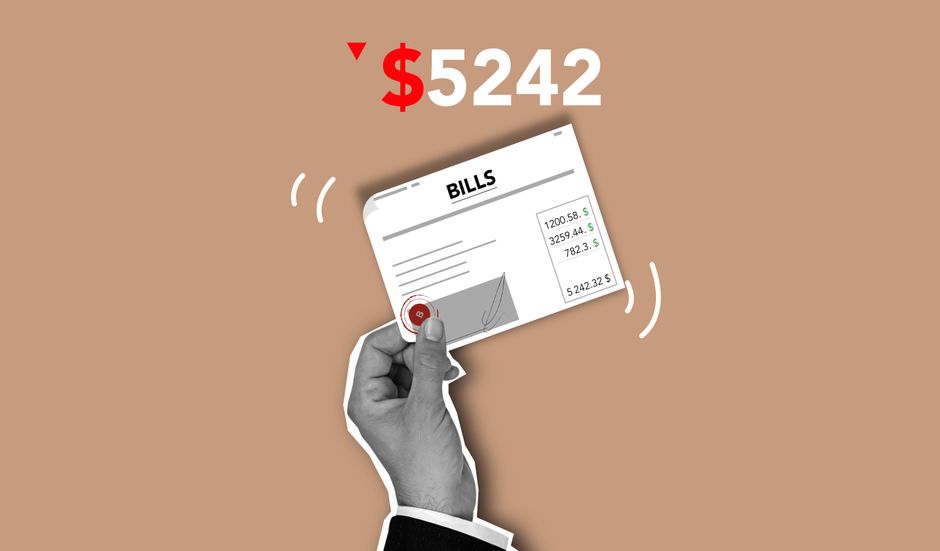
Paying a ransomware demand often seems like the fastest solution, but it usually makes the problem worse.

Multi-factor authentication stops most account takeovers, but rolling it out takes planning to avoid frustrating your team.

Before a cyber insurer writes your policy, they want proof of a handful of specific security controls. Here is what they ask about, why each one matters, and how to get ready…
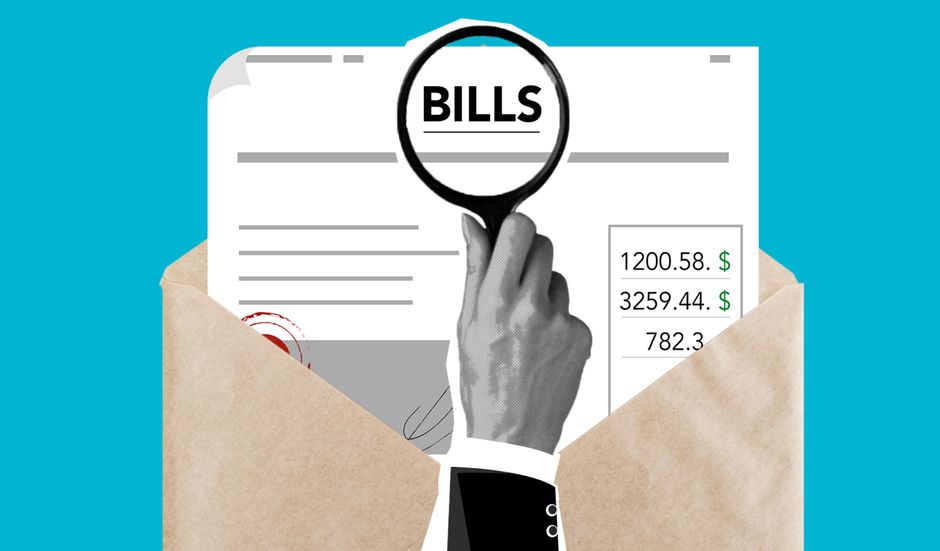
Fake emails impersonating Microsoft and Amazon are among the most effective phishing attacks, but a few specific checks catch most of them before they do damage.

Most companies discover their security has real gaps only after something goes wrong.
The companies that survive ransomware attacks almost always had three specific things in place beforehand.
Ninety percent of breaches start with a click. Teach your team these five tells and stop most attacks at the front door.